The Role of Ultra-Fine Talc in EV Lightweighting
Detailed Analysis:
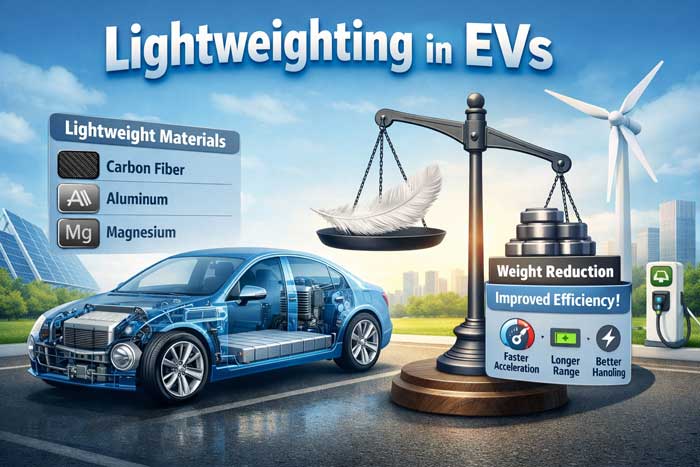
The global transition toward Electric Vehicles (EVs) has placed “lightweighting” at the forefront of automotive engineering. As battery packs add significant weight to vehicles, manufacturers must compensate by reducing the mass of other components. High-aspect-ratio talc, such as the ST-Nano series, is emerging as a critical solution. When incorporated into polypropylene (PP) and other thermoplastic olefins (TPO), nano-talc acts as a powerful reinforcing agent. It allows for “thin-walling”—the production of thinner parts that maintain the same structural integrity as thicker, traditional components. This reduction in density directly translates to extended battery range and better performance. Beyond weight reduction, talc improves the dimensional stability of interior and exterior parts, ensuring they do not warp under extreme temperature fluctuations. Furthermore, it enhances the aesthetic quality of surfaces, providing a scratch-resistant finish that is highly valued in luxury EVs. By adopting this technology, Silk Talc Group positions itself as a supplier capable of meeting the rigorous standards of the European automotive supply chain. The shift from metal to mineral-reinforced polymers is not just a trend but a necessity for the future of sustainable mobility.
Reference Link: SpecialChem – Talc in Automotive Plastics
Your Comment